For sellers and listing agents
Odor Removal Before You List a Denver Home
Buyers decide how a home feels in the first few seconds. This guide covers how smoke, musty, crawl space, and dead animal odors are assessed and treated at the source, and how to fit the work around a listing timeline.
This website is a draft preview. No phone line or request form is connected yet.
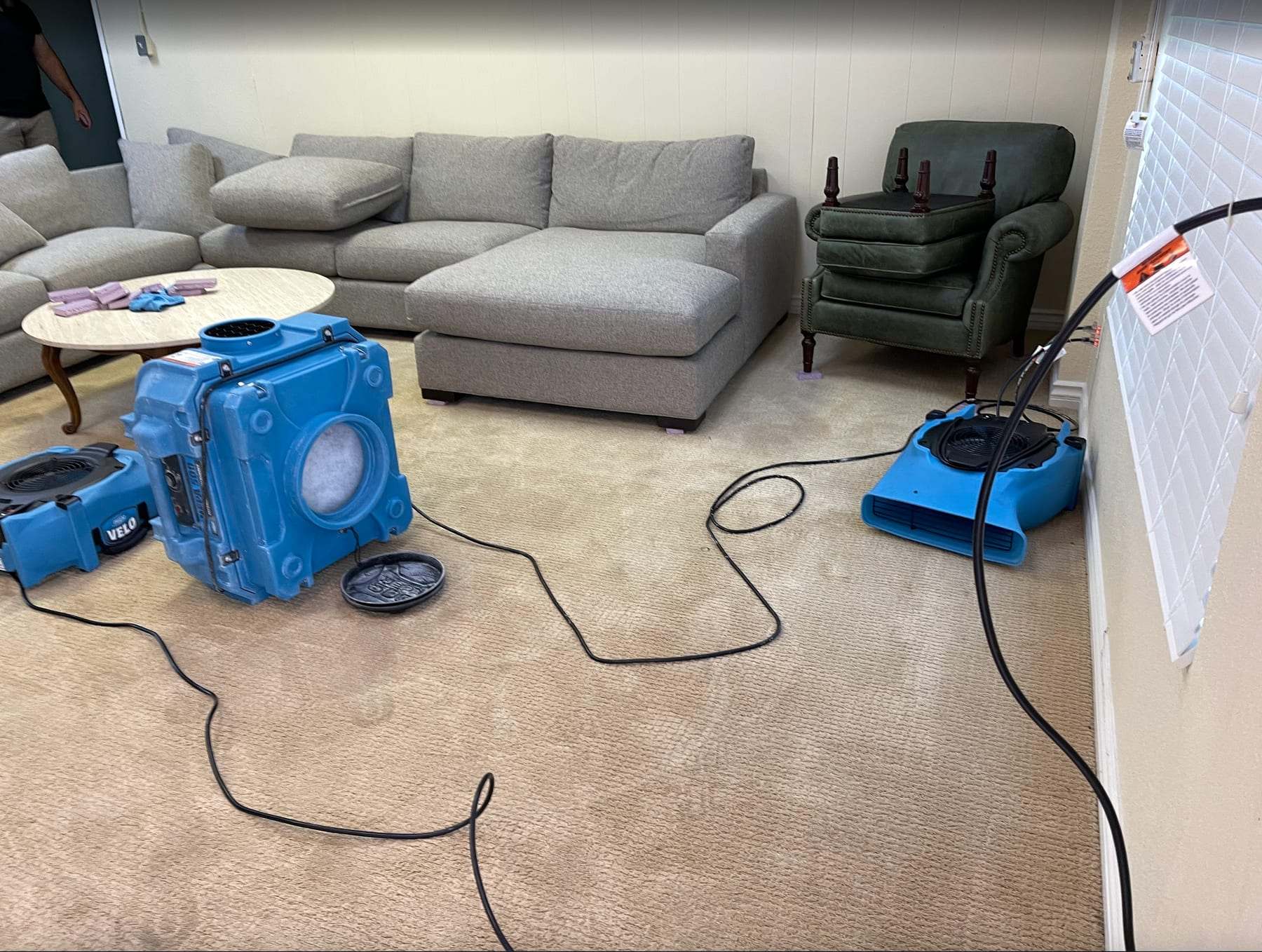
Typical pre-listing situations
1
Crawl space under a ranch listing
A seller's agent notices a damp, earthy smell rising from the crawl space of a ranch-style listing and wants it handled before photos ten days out.
2
Estate sale of a smoker's home
Heirs preparing a parent's home for sale need decades of cigarette residue treated before painting and listing.
3
Investor flip
An investor renovating a property finds odor coming from the subfloor in two bedrooms after old carpet is removed.
Four moments odor shows up in a sale
1
The front door
The first breath inside. Agents and buyers form an impression before they've seen a room.
2
Closed rooms
Closets, a basement or a spare bedroom kept shut concentrate odor. They're opened during showings.
3
When the HVAC kicks on
Heat or AC pushes odor out of ducts and soft surfaces. A house that smelled fine cold can smell different warm.
4
The inspection
Inspectors note what they smell. Odor can lead to more questions about moisture, smoke or animals.
Odors that commonly come up before a sale
- Musty crawl space air that rises into the main floor once the house is closed up for showings.
- Cigarette or cannabis smoke residue on walls, ceilings, and in the HVAC system.
- Musty basement or crawlspace odors that buyers notice on the way downstairs.
- Cooking odors embedded in cabinets, drapes, and upholstered areas.
- Odor that appears after the home sits closed up and vacant before listing.
Why odor matters more than almost any other listing issue
Sellers usually can't smell their own home anymore, but buyers notice immediately. Cigarette smoke, cooking odors, musty basements, and crawl space air can lead to shorter showings, lower offers, and inspection objections, and they're often the first comment agents hear back. Air fresheners and candles tend to make buyers suspicious rather than reassured.
A pre-listing job that fits the timeline usually looks like this: an assessment to identify every source, a clear scope and quote before any work, and treatment, which may include removing contaminated materials, cleaning and sealing, HVAC attention, and a controlled whole-home treatment, scheduled before paint, carpet, photos, and showings.
A Denver seller's guide to pre-listing odor: what to fix, in what order, before photos and showings.
How a pre-listing treatment works
A well-planned job fits between the decision to list and the first showing.
- 1
Initial conversation
Discuss where odor is strongest, when it started, what's been cleaned, and the listing timeline.
- 2
Assessment
Determine whether odor sits in washable surfaces or in materials like carpet pad, subfloor, drywall, or HVAC components.
- 3
Scope and quote
Explain what will be treated, what may need removal, and what can affect the outcome, before work begins.
- 4
Treatment
Remove or treat sources, clean and seal as needed, and perform a controlled whole-space treatment if it fits the job.
- 5
Ready for showings
Re-entry, ventilation, and timing for paint, carpet, and photos should be agreed with you or your agent.
Timing it around the listing
The order that works: fix active sources (leaks, a dead animal, a dry drain), treat, ventilate and recheck, then paint if needed, then stage and photograph. Paint over untreated smoke residue and the smell can bleed back through.
Planning tips for sellers and agents
- Schedule the odor assessment before ordering paint, carpet, or listing photos.
- Clear closets and cabinets in the worst-smelling rooms so every surface can be reached.
- Plan for vacancy if a whole-home chlorine dioxide treatment is recommended.
- Share the listing date up front so the scope can be sequenced around it.
Odor and home sales across the Denver metro
Pre-listing odor questions come up throughout the metro area, including Denver, Aurora, Lakewood, Arvada, Westminster, Centennial, Englewood, Littleton, Highlands Ranch, and Lone Tree. The housing ranges from early twentieth-century bungalows and Denver Squares to mid-century ranches and newer suburban homes, and each era has its own common odor sources, from aging basements to tightly sealed newer homes.
Denver's real estate market moves on listing calendars, so odor treatment has to fit around painters, carpet installers, stagers, and photographers. Ask any provider to explain preparation, dwell time, ventilation, and re-entry before scheduling, so the treatment doesn't collide with the rest of the prep.
1
Older Denver bungalows and newer suburban homes tend to hold odor in different places: basements and crawl spaces versus sealed air and HVAC.
2
Treat before paint and new flooring so improvements aren't sealing odor in.
3
Colorado sellers have disclosure obligations; ask your agent how known odor issues should be handled.
4
In farther-out communities, ask a provider about travel time before you set a schedule.
ZIP codes served: 80203 (Denver), 80218 (Denver), 80202 (Denver), 80205 (Denver), 80206 (Denver), 80204 (Denver), 80209 (Denver), 80211 (Denver), 80223 (Denver), 80216 (Denver), 80220 (Denver), 80246 (Denver), 80207 (Denver), 80212 (Denver), 80219 (Denver), 80214 (Denver), 80210 (Denver), 80230 (Denver), 80224 (Denver), 80221 (Denver), 80222 (Denver), 80266 (Denver), 80226 (Denver), 80238 (Denver), 80247 (Denver), 80010 (Aurora), 80232 (Denver), 80110 (Englewood), 80113 (Englewood), 80236 (Denver), 80033 (Wheat Ridge), 80030 (Westminster), 80231 (Denver), 80215 (Denver), 80003 (Arvada), 80002 (Arvada), 80045 (Aurora), 80227 (Denver), 80229 (Denver), 80237 (Denver), 80012 (Aurora), 80235 (Denver), 80239 (Denver), 80260 (Denver), 80004 (Arvada), 80014 (Aurora), 80123 (Littleton), 80249 (Denver).
Also nearby: 80121, 80031, 80120, 80111, 80011, 80228, 80005, 80122, 80233, 80017, 80419, 80640, 80234, 80021, 80015, 80013, 80112, 80241, 80128, 80129, 80401, 80022, 80126, 80020, 80007, 80453, 80465, 80130, 80124, 80454, 80018, 80019, 80602, 80023, 80016, 80127, 80457, 80125, 80601, 80131, 80403, 80026, 80134, 80137, 80108, 80516.
For listing agents
You can request the assessment on your seller's behalf, coordinate lockbox access, and get the schedule and preparation steps in writing to pass along. After treatment, ask for a written description of what was found and treated.
Disclosure is between the seller and their agent or attorney. A clear record of the work helps whatever they decide to disclose.
Go deeper before you list
Guides and worksheets for sellers and listing agents across the Denver metro.
- Reading
Each piece of reading here takes one odor problem that tends to surface when a metro Denver home is being prepared for sale, from smoke film and crawl space air to a stale vacant house, and explains the likely source, what actually removes it, and where it belongs in the listing calendar so paint, carpet and photos are not wasted..
- Practical tools
These practical tools are meant to be printed, filled in or carried through the house.
- Typical cases
These typical cases are hypothetical, built from situations that come up often when Denver-area homes are prepared for sale.
- Communities
The communities around Denver were built in different decades, on different soils and with different basements, so the odor a seller finds before listing varies from one to the next.
Questions from sellers and agents
- How far before listing should odor treatment happen?
- Ideally before painting, flooring, staging, and photos, often one to two weeks before going live, depending on the scope. Share your listing date with any provider up front.
- Does the house need to be empty for treatment?
- Source treatments can often be done in an occupied home. Controlled chlorine dioxide treatments require the space to be vacant of all occupants for the treatment and ventilation period; ask for those details before scheduling.
- Will new carpet and paint fix the odor?
- Not if the source is in the subfloor, pad, or wall surfaces. Odor can return through new finishes. Treating sources first protects the investment in updates.
- Will buyers smell a fragrance after treatment?
- They shouldn't, if no synthetic fragrance or ozone generator is used, so ask about both. The goal is a home that smells neutral rather than perfumed, which is also less likely to make buyers wonder what's being covered up.
- Can an odor provider work with my listing agent directly?
- Usually. Many treatments are coordinated with agents for access and timing. Decide who should be the point of contact before work is scheduled.
- Should I disclose odor problems to buyers?
- Disclosure obligations depend on Colorado law and your contract. Talk with your agent or a real estate attorney.
- Will odor removal make the house sell faster?
- No one can promise that. The goal is to remove odor sources so the home presents as well as it can.
- How far ahead of listing should we schedule?
- Ideally before staging and photos, with enough time for any treatment that needs the house empty, plus ventilation and a recheck. Give any provider your listing date up front, and ask for preparation, dwell time and re-entry details before anything is scheduled.
Ask about pre-listing odor
This form is not connected. This website is a draft preview: no business has been confirmed to receive requests, so the fields below are switched off and nothing can be sent. In an emergency, call 911.
Getting a Denver home ready to list?
Set your photo and listing dates, fix active sources like leaks or a dry drain, and clear the worst-smelling rooms. Then choose an odor provider you have checked and get a written scope sequenced around your listing date.